


Artificial rice, also known as imitation rice, is a type of rice made from other cereals or grains. This innovative product has gained popularity in recent years due to its cost-effectiveness, nutritional content, and long shelf life. In this article, we will discuss the characteristics and nutritional value of artificial rice, as well as its future development and market potential.
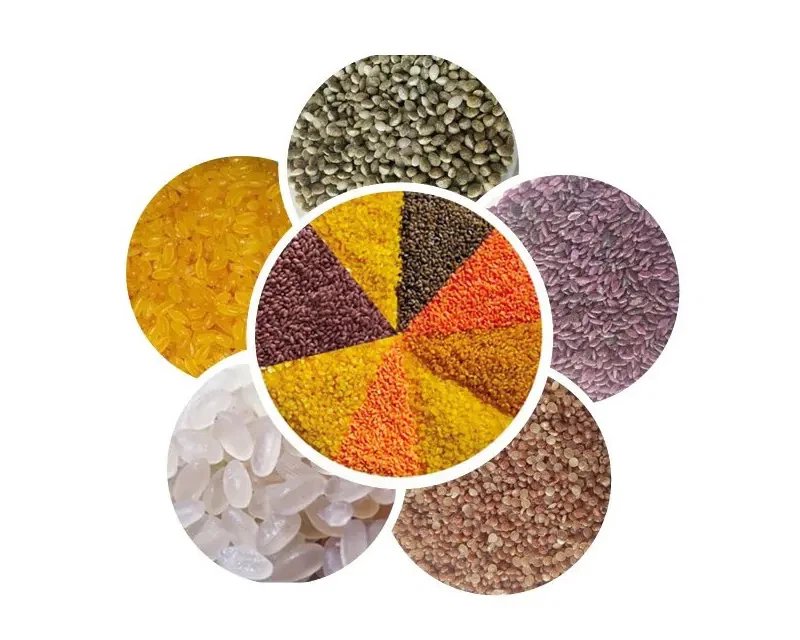
Characteristics of Artificial Rice
Artificial rice is made by mixing and processing a variety of grains, such as wheat, corn, or potato starch, with water and other additives. The mixture is then molded into rice-sized grains and dried to create a rice-like texture. The shape and size of artificial rice are similar to those of natural rice, and it can be cooked and eaten in the same way as regular rice.
One of the key characteristics of artificial rice is its cost-effectiveness. Because it is made from less expensive grains, the production cost is lower than that of natural rice. This makes it an affordable option for consumers who may not have access to or cannot afford natural rice.
Another advantage of artificial rice is its long shelf life. Unlike natural rice, which can spoil quickly or attract insects, artificial rice can be stored for long periods without the need for special storage conditions or preservatives.
Nutritional Value of Artificial Rice
Artificial rice is also a nutritious food option. Its nutritional content, however, may vary depending on the ingredients used to make it. In general, though, artificial rice contains carbohydrates, proteins, dietary fibers, and essential vitamins and minerals such as iron, calcium, and vitamin B6.
One of the main advantages of artificial rice is that it can be fortified with additional nutrients to enhance its nutritional value. For example, artificial rice can be enriched with iron and folic acid to prevent anemia and neural tube defects in pregnant women.
Future Development and Market Potential
The production of artificial rice is still in its early stages, but its potential for development and market growth is significant. Consumers are increasingly looking for affordable and nutritious food options, and artificial rice can fulfill both of these demands. Artificial rice can be a viable option not only for consumers in developing countries but also for those in developed countries who are seeking alternatives to natural rice.
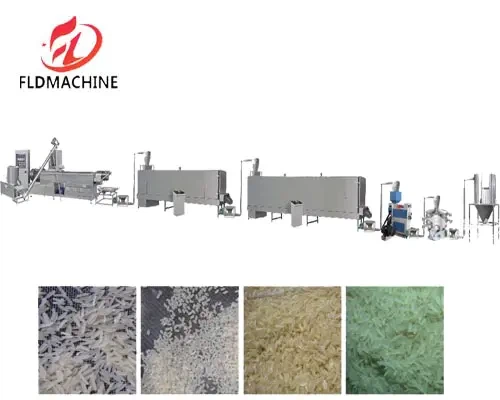
The market potential of artificial rice is expected to grow in the coming years. According to a report by Grand View Research, the global artificial rice market was valued at $9.3 billion in 2020 and is projected to reach $13.7 billion by 2027. This growth is attributed to the increasing demand for affordable and nutritious food options, as well as the rising awareness of the benefits of artificial rice.
In conclusion, artificial rice is a cost-effective and nutritious food option that has significant potential for future development and market growth. Its affordability, nutritional content, and long shelf life make it an appealing option for consumers, particularly those in developing countries. As the demand for affordable and nutritious food options continues to grow, the market for artificial rice is expected to expand, making it an important player in the global food industry.


